
Tamarind: The Tangy Fruit Your Gut Has Been Waiting For
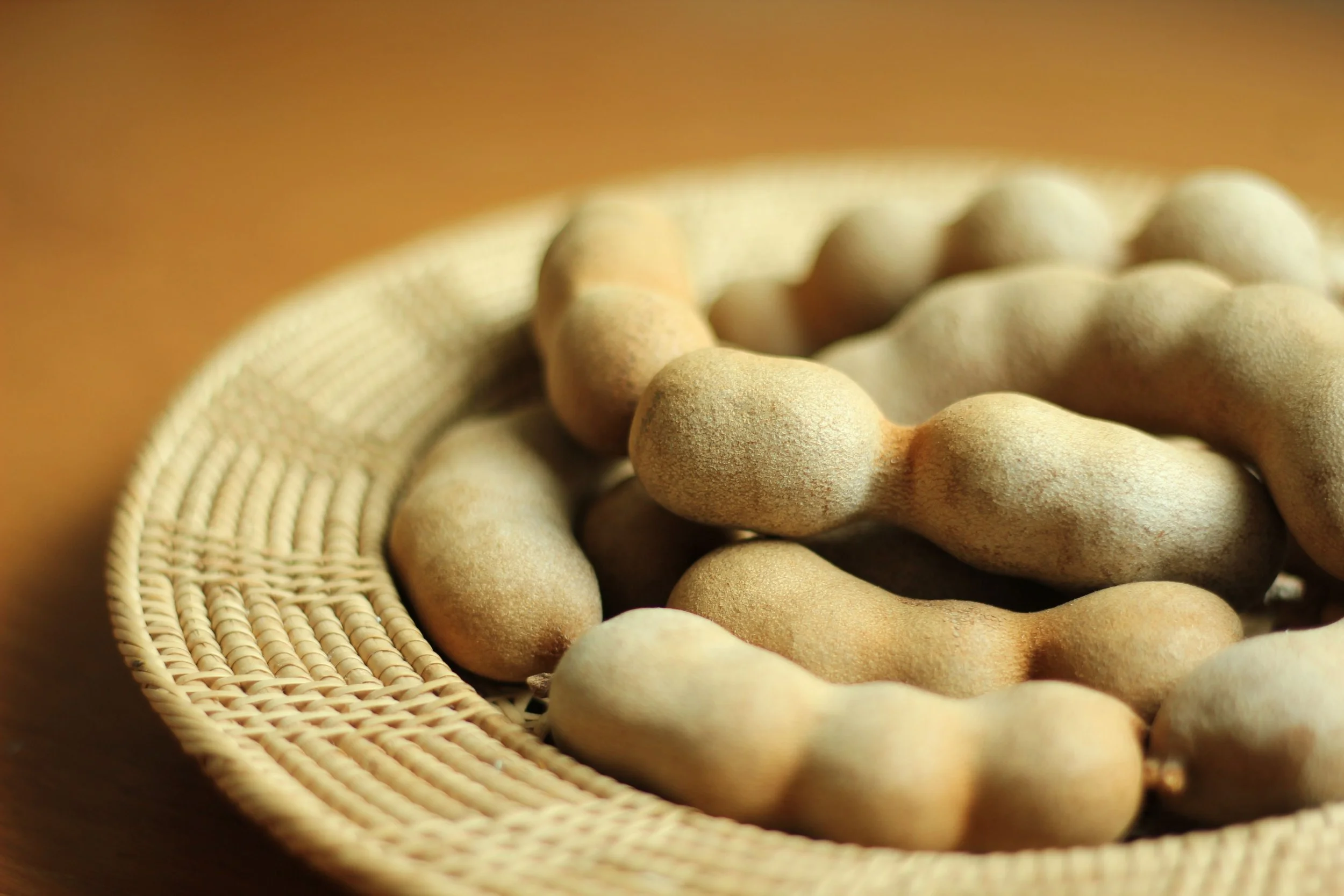
If you grew up in Arizona you might remember the unique tangy taste of tamarind from popular candy that made it’s way around the playground. That’s where I first fell in love in love with it. As the years have have gone on and I've found tamarind in all sorts of wonderful world cuisines like Indian, Thai, Mexican, or West African. Tamarind probably needs no introduction. But for a lot of American home cooks, it's still an unfamiliar face in the produce aisle — a sticky, sour-sweet pod that looks a little intimidating and gets passed over for more familiar fruit. That's a shame, because tamarind is one of the most quietly powerful ingredients you can add to your plate, especially when it comes to gut health.
What Exactly Is Tamarind?
Tamarind (Tamarindus indica) is the fruit of a tropical tree native to Africa, now cultivated widely across South Asia, Southeast Asia, and Latin America. Inside its brown, pod-like shell is a sticky pulp that's tart, slightly sweet, and packed with fiber, potassium, magnesium, B vitamins, and antioxidant polyphenols. You'll find it sold as whole pods, a compressed block of pulp, a paste, or a concentrate — all readily available at Indian, Southeast Asian, Latin American, and African grocers, and increasingly in the international aisle of larger supermarkets.
The Gut Health Case for Tamarind
This is where tamarind really shines, and the evidence here is well established:
A genuine prebiotic. Tamarind's fiber and polysaccharides largely resist breakdown in the stomach and small intestine, reaching the colon mostly intact. Once there, your gut bacteria ferment them into short-chain fatty acids — compounds that nourish the cells lining your colon and help beneficial bacteria outcompete less helpful strains.
Support for regularity. Tamarind's soluble fiber absorbs water and forms a gel-like texture that softens stool and eases transit. It also contains tartaric acid and potassium bitartrate, natural compounds with mild laxative properties that gently support healthy bowel movements — one reason it's been used as a traditional digestive remedy across Ayurvedic and West African healing traditions for generations.
Calming digestive inflammation. Tamarind is rich in polyphenols and antioxidants, which may help ease oxidative stress and inflammation along the digestive tract — relevant for anyone dealing with occasional bloating or general digestive discomfort.
Bile and enzyme support. Tamarind's natural acids help stimulate the release of digestive enzymes and bile, supporting more complete digestion and better nutrient absorption from your meals — particularly helpful for breaking down fats.
Taken together, this is a fruit that checks a lot of boxes for anyone looking to support their microbiome and digestive comfort through food first.
An Emerging Area of Interest: Tamarind and Microplastics
You may have seen headlines this past year claiming tamarind can "flush microplastics" from the body. It's worth understanding where that claim actually comes from, because the real story is more nuanced — and honestly, still pretty exciting.
The research trail leads back to Dr. Rajani Srinivasan's lab at Tarleton State University, published in the American Chemical Society journal ACS Omega. The team was testing whether natural plant polysaccharides could replace synthetic polymers in water treatment. What they found was striking: dried okra and fenugreek extracts removed 67% and 93% of microplastics from water in lab conditions within an hour, and okra paired with tamarind performed especially well in freshwater samples. These plant-based "stickiness" compounds outperformed the synthetic polyacrylamide currently used in wastewater treatment.
That's a genuine breakthrough — for water treatment. What the study did not do is test whether eating tamarind removes microplastics that have already accumulated in human tissue, and no published research has done that yet. The idea has chemical plausibility (tamarind's polyphenols and polysaccharides really do bind to things), but it's a leap from "binds particles in a beaker of water" to "detoxes your body," and that leap hasn't been tested. While this is super exciting and promising any true detox claim here is speculation dressed up as science.
What I find super interesting is the culinary overlap. Okra and fenugreek — the two co-stars of that water treatment research — are gut health powerhouses in their own right, and they show up constantly alongside tamarind in the very cuisines where this fruit is already a staple. Okra is a well-known source of soluble fiber and mucilage that feeds beneficial gut bacteria. Fenugreek seeds are a traditional digestive aid used for centuries in South Asian and Middle Eastern cooking, with their own fiber and prebiotic compounds. It's a nice reminder that some of the most gut-supportive food combinations were figured out by traditional cuisine long before a lab confirmed the chemistry. It makes me really intrigued to see where this research will go in the future.
So while we can't tell you tamarind will detox you from microplastics, we can tell you that a plate built around tamarind, okra, and fenugreek is a genuinely excellent one for your gut — and that's reason enough to cook with them.
Bringing It Together: A Simple Recipe
If tamarind is new to you, the easiest way in isn't a complicated sauce — it's a humble, comforting stew that happens to include tamarind, okra, and fenugreek all in one pot. This dish is loosely inspired by South Indian sambar, a lentil stew where these three ingredients traditionally appear together.
Tamarind, Okra & Lentil Stew

A warming, tangy, fiber-rich stew that's a gentle introduction to tamarind — serves 4
Ingredients
1 cup dried red lentils (masoor dal), rinsed
4 cups water or vegetable broth
2 tablespoons tamarind concentrate (or 2 tablespoons tamarind pulp soaked in ¼ cup warm water, strained)
1 cup okra, sliced into rounds
1 small onion, diced
2 cloves garlic, minced
1 teaspoon fenugreek seeds
1 teaspoon ground turmeric
1 teaspoon ground cumin
½ teaspoon mustard seeds
1 tablespoon olive oil or ghee
Salt to taste
Fresh cilantro, for garnish
Instructions
In a pot, combine the lentils and water or broth. Bring to a boil, then reduce heat and simmer for about 15 minutes, until the lentils are soft and starting to break down.
While the lentils cook, warm the oil or ghee in a small skillet over medium heat. Add the mustard seeds and fenugreek seeds and toast for about 30 seconds, until the mustard seeds begin to pop.
Add the onion and garlic to the skillet and sauté for 4–5 minutes, until softened and fragrant.
Stir in the turmeric and cumin, cooking for another 30 seconds.
Add this spiced onion mixture to the simmering lentils, along with the sliced okra.
Simmer for another 10 minutes, until the okra is tender.
Stir in the tamarind concentrate and salt to taste. Simmer for a final 5 minutes to let the flavors meld.
Garnish with fresh cilantro and serve warm, on its own or over rice.
Tip: Start with less tamarind than you think you need — you can always add more. Its tang should brighten the stew, not overpower it.
The Takeaway
Tamarind doesn't need a viral microplastics headline to earn a spot in your kitchen. Its fiber, prebiotic compounds, and centuries of traditional use as a digestive aid make it one of the more genuinely valuable additions you can make to a gut-supportive diet — and it tastes wonderful alongside the ingredients it's traditionally been paired with. Pick up a jar of tamarind concentrate next time you're at an Indian or Southeast Asian market, and let this humble, tangy fruit do some quiet work for your gut.