
How Bodywork Impacts Immunity
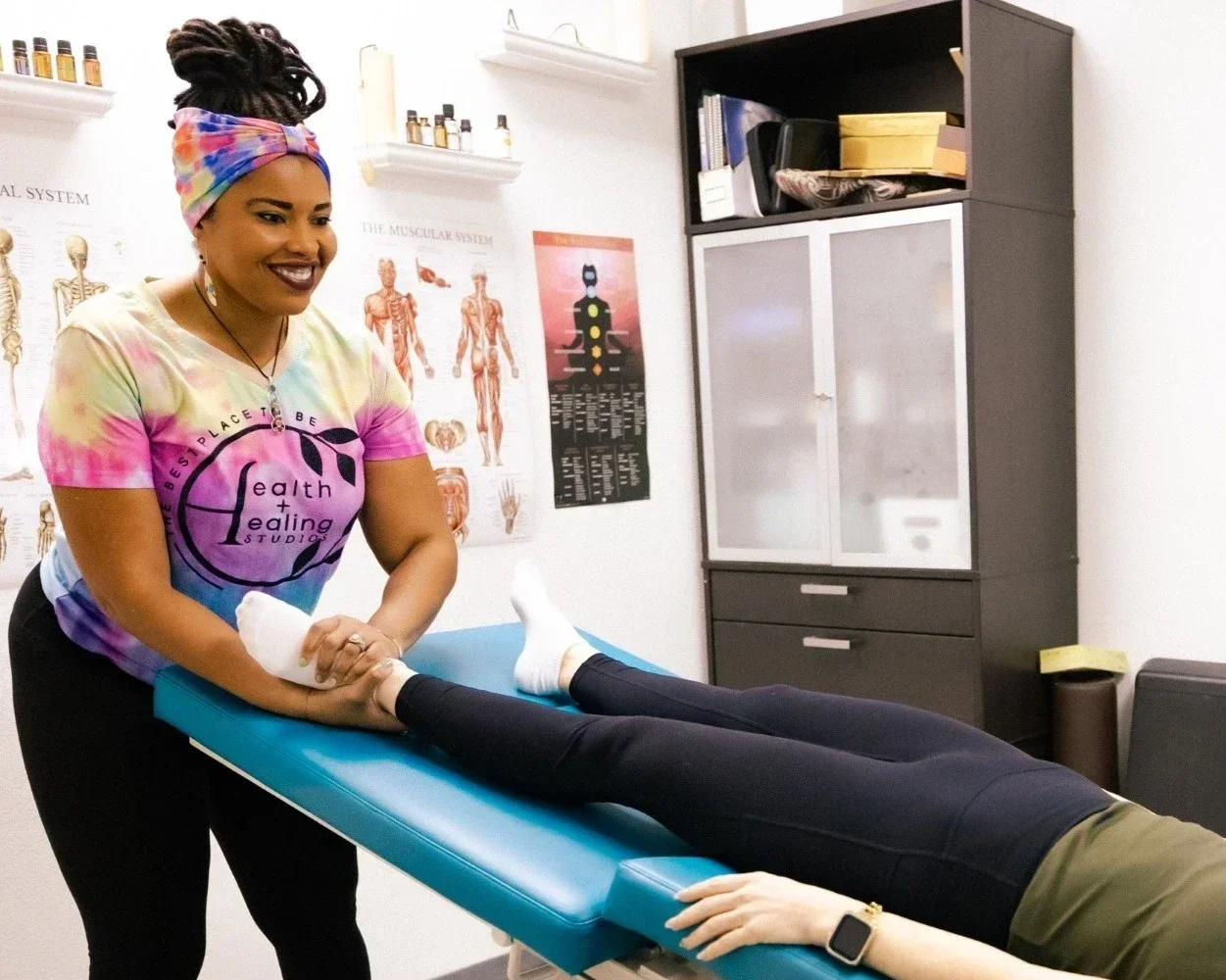
When cold and flu season rolls into the East Valley, most of us reach for vitamin C and extra sleep. Fewer people think about bodywork. But research suggests that what happens on the treatment table reaches beyond sore muscles, all the way to your stress hormones and immune cells.
What the Research Says
Most studies in this area look at massage, the most researched form of hands-on bodywork. Here are the highlights:
One session makes a measurable difference. In a Cedars-Sinai study, a single session of Swedish massage was compared with a light touch control. Massage increased circulating lymphocytes, including CD4+, CD8+ and CD56+ cells, and produced a small decrease in cortisol. These are the white blood cells your body relies on to defend itself, including natural killer cells. nih
Consistency matters. In a five-week follow-up study, weekly sessions produced a sustained increase in immune cell markers, and the effects lasted several days to a week. nihemory
Stress is the connection. A landmark review of more than 300 studies documented the relationship between psychological stress and the immune system. northwestern
To be clear, these studies are small, and the researchers say larger confirmatory studies are still needed. Bodywork doesn't replace the basics. But the early evidence points in a clear direction: calming your body helps your immune system do its job. nih
Why Your Nervous System Matters
Your nervous system, stress response and immune system are in constant conversation. When your body is stuck in "fight or flight" from tight muscles, poor posture, long workdays or chronic pain, it spends energy bracing instead of repairing. Hands-on work helps shift your body into rest-and-recover mode, where healing happens.
How We Put It to Work at Health and Healing Studios
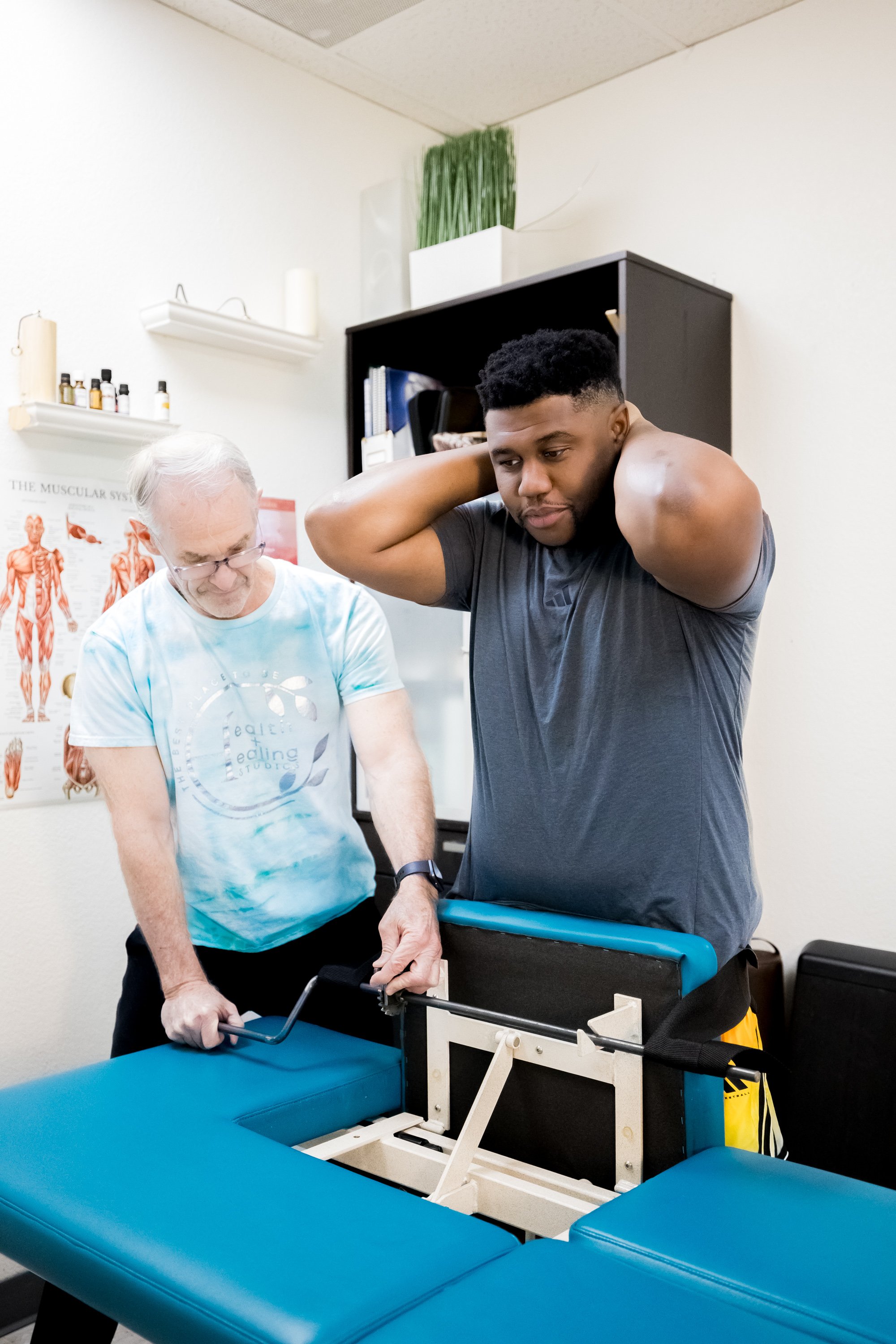
Myopractic Therapy
A full-body session that starts with the pelvis, your body's foundation. Targeted pressure releases restrictions in muscle and connective tissue, so your body can stop compensating.
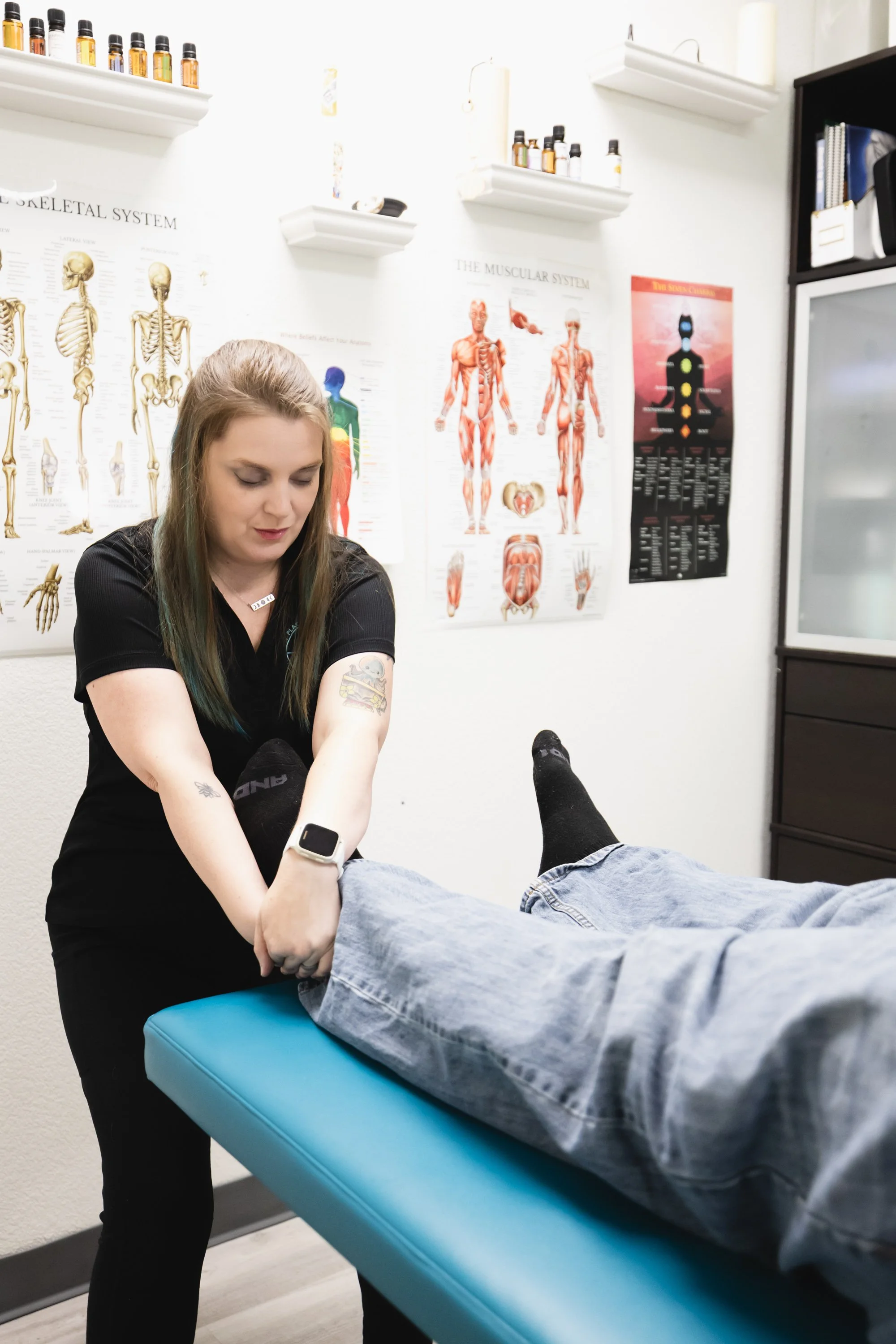
Fascial Stretch Therapy (FST)
Pain-free, assisted stretching on a treatment table. Gentle, rhythmic movement works with your nervous system to release tension and support circulation.
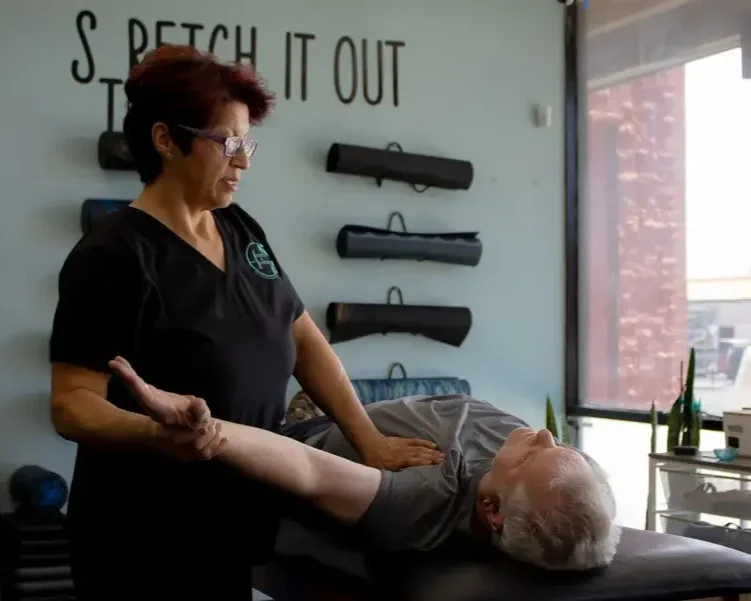
NeuroKinetic Therapy (NKT)
Targeted muscle testing finds where your body is compensating, then retrains those patterns. When your body stops fighting itself, it carries less chronic strain.
One Team, Not One Technique
Here's what makes us different: you're never pigeonholed into one modality. Your body changes day to day, and so does your session. Our practitioners communicate with each other and work as a team, so you get the technique that fits your body that day, backed by everyone who knows your history.
Your Cold-Season Bodywork Plan
Stay consistent. Regular sessions build on each other.
Don't come in sick. If you have a fever or feel run down, reschedule and let your body rest. Come back once you're recovered to work out the lingering tension.
Stack your support. Pair bodywork with sleep, hydration and smart supplementation. Check out next blog Your Cold-Season Toolkit: 5 Supplements We Swear By.
FAQ
Can bodywork prevent colds?
No single thing prevents illness. Bodywork supports your body's stress response and circulation, and it works best alongside good sleep, nutrition and movement.
Should I get bodywork when I'm sick?
No. Rest and reschedule. Once you're feeling better, bodywork can help ease leftover aches and stiffness.
How often should I come in?
It depends on your goals and your body. Your practitioner will build a plan with you, with no long-term commitment required.
Do you offer massage?
We specialize in myopractic therapy, Fascial Stretch Therapy, and NeuroKinetic Therapy. These are targeted, results-driven techniques that go beyond relaxation.
Book Your Session
Whether you're brand new or it's been a while, no matter where you start, we'll work with you to get where you need to be. Serving Mesa, Tempe, Chandler and the greater East Valley.