
Peptide Therapy & GLP-1s: A Complete Guide to Semaglutide and Tirzepatide Blends
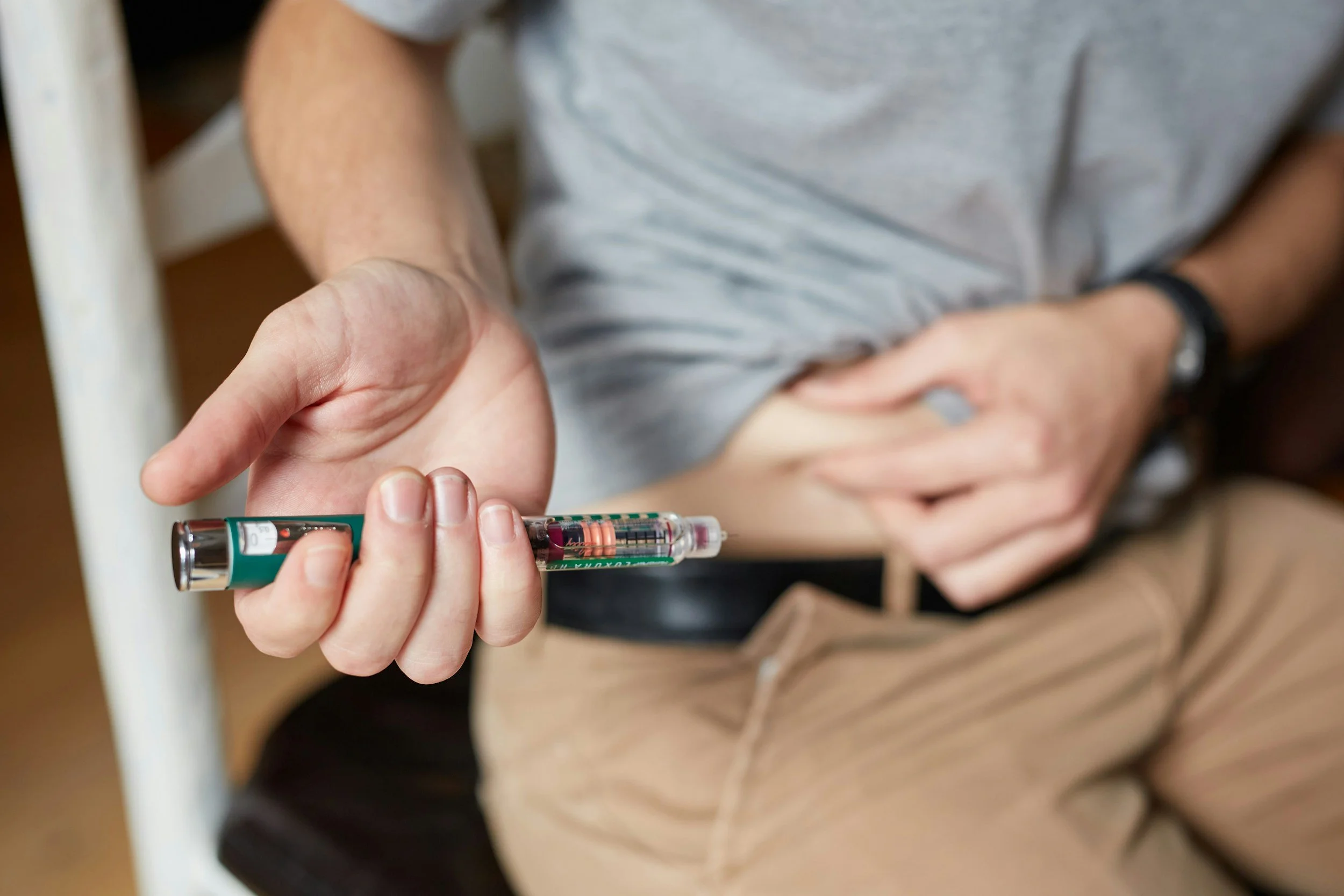
Peptide therapy has become one of the most talked-about areas in integrative and metabolic medicine, and GLP-1 receptor agonists sit at the center of that conversation. From weight management to blood sugar regulation, semaglutide and tirzepatide have reshaped how providers approach metabolic health. But newer compounded formulations — tirzepatide paired with lysine, niacinamide, or glycine — are adding new dimensions to what these peptides can offer.
Here's a breakdown of what each option does, who it may help, and what to watch for.
What Are GLP-1 Peptides?
GLP-1 (glucagon-like peptide-1) is a hormone your gut naturally produces after eating. It signals your pancreas to release insulin, slows gastric emptying, and tells your brain you're full. GLP-1 receptor agonist medications mimic this hormone, which is why they've become so effective for appetite regulation, blood sugar control, and weight loss.
Semaglutide: The Foundation
Semaglutide is the original GLP-1 receptor agonist that brought this class of medication into the mainstream.
Benefits:
Significant, sustained weight loss when combined with lifestyle changes
Improved insulin sensitivity and blood sugar regulation
Reduced cardiovascular risk markers in several clinical populations
Appetite and craving reduction, which supports long-term adherence to nutrition plans
Possible side effects:
Nausea, especially during dose escalation
Constipation or diarrhea
Fatigue
Rare but serious: pancreatitis, gallbladder issues, or worsening of diabetic retinopathy in at-risk individuals
Tirzepatide: Dual-Action Support
Tirzepatide activates both GLP-1 and GIP (glucose-dependent insulinotropic polypeptide) receptors, which many providers find produces more pronounced metabolic effects than GLP-1 activity alone.
Benefits:
Greater average weight loss compared to single-receptor agonists in clinical trials
Improved glycemic control
Better satiety signaling through the dual-hormone pathway
Potential improvements in lipid profiles
Possible side effects:
GI symptoms (nausea, vomiting, diarrhea), particularly early in treatment
Injection site reactions
Decreased appetite that some patients find too aggressive without proper titration
Rare: pancreatitis, gallbladder concerns, hypoglycemia when combined with other glucose-lowering medications
Tirzepatide + Lysine: Supporting Lean Mass
Lysine is an essential amino acid the body can't produce on its own, and it plays a direct role in collagen synthesis, tissue repair, and muscle protein maintenance. Adding it to a tirzepatide formulation is intended to help offset one of the more common concerns with rapid weight loss: loss of lean muscle mass alongside fat.
Potential added benefits:
Support for lean muscle preservation during a caloric deficit
Collagen and connective tissue support
Possible support for immune function
Possible side effects:
Similar GI profile to tirzepatide alone
Rare mild digestive upset specific to amino acid supplementation
Injection site irritation
Tirzepatide + Niacinamide: Metabolic and Skin Support
Niacinamide (vitamin B3) is well known for its role in cellular energy production and skin barrier support. In a compounded blend, it's typically included to support mitochondrial energy metabolism and to help offset some of the dermatologic changes patients sometimes notice during significant weight loss.
Potential added benefits:
Support for cellular energy metabolism
Skin barrier and texture support, which patients often appreciate during rapid body composition changes
Some anti-inflammatory properties
Possible side effects:
Flushing sensation in sensitive individuals (though niacinamide is far less likely to cause flushing than niacin)
GI symptoms consistent with the base tirzepatide compound
Rare liver enzyme changes at higher cumulative doses, so periodic labs are reasonable during treatment
Tirzepatide + Glycine: Sleep, Recovery, and Inflammation
Glycine is an amino acid with a calming effect on the nervous system and a role in collagen production. It's often included in compounded peptide formulations to support sleep quality and connective tissue health during a treatment course.
Potential added benefits:
Support for sleep quality and relaxation
Additional collagen and connective tissue support
Mild anti-inflammatory action
Possible side effects:
GI symptoms consistent with base tirzepatide
Mild drowsiness in some patients, particularly if dosed close to daytime activities
Injection site reactions
Who Might Consider Peptide Therapy?
GLP-1 and compounded tirzepatide therapies are generally considered for adults dealing with:
Obesity or overweight with related health conditions
Insulin resistance or prediabetes
Type 2 diabetes
Metabolic syndrome
They are not appropriate for everyone. A personal or family history of certain thyroid cancers, active gallbladder disease, pancreatitis, or pregnancy are among the reasons these medications may be contraindicated.
The Bottom Line
Semaglutide and tirzepatide have changed what's possible in metabolic and weight management care, and the addition of lysine, niacinamide, or glycine reflects a broader trend toward individualized, whole-body peptide protocols rather than one-size-fits-all dosing. The right formulation depends on your metabolic profile, goals, and how your body responds to treatment — which is why these therapies work best under the guidance of a licensed provider who can monitor labs, adjust dosing, and watch for side effects along the way.
This article is for educational purposes only and is not a substitute for individualized medical advice. Semaglutide, tirzepatide, and compounded peptide formulations are prescription medications that should only be used under the supervision of a licensed healthcare provider who can evaluate whether they're appropriate for you. If you're curious whether peptide therapy fits your health goals, our team at Health and Healing Studios is happy to talk through your options.