
What the Cyclospora Outbreak Means for Your Gut (and Why Now Is the Time to Protect It)
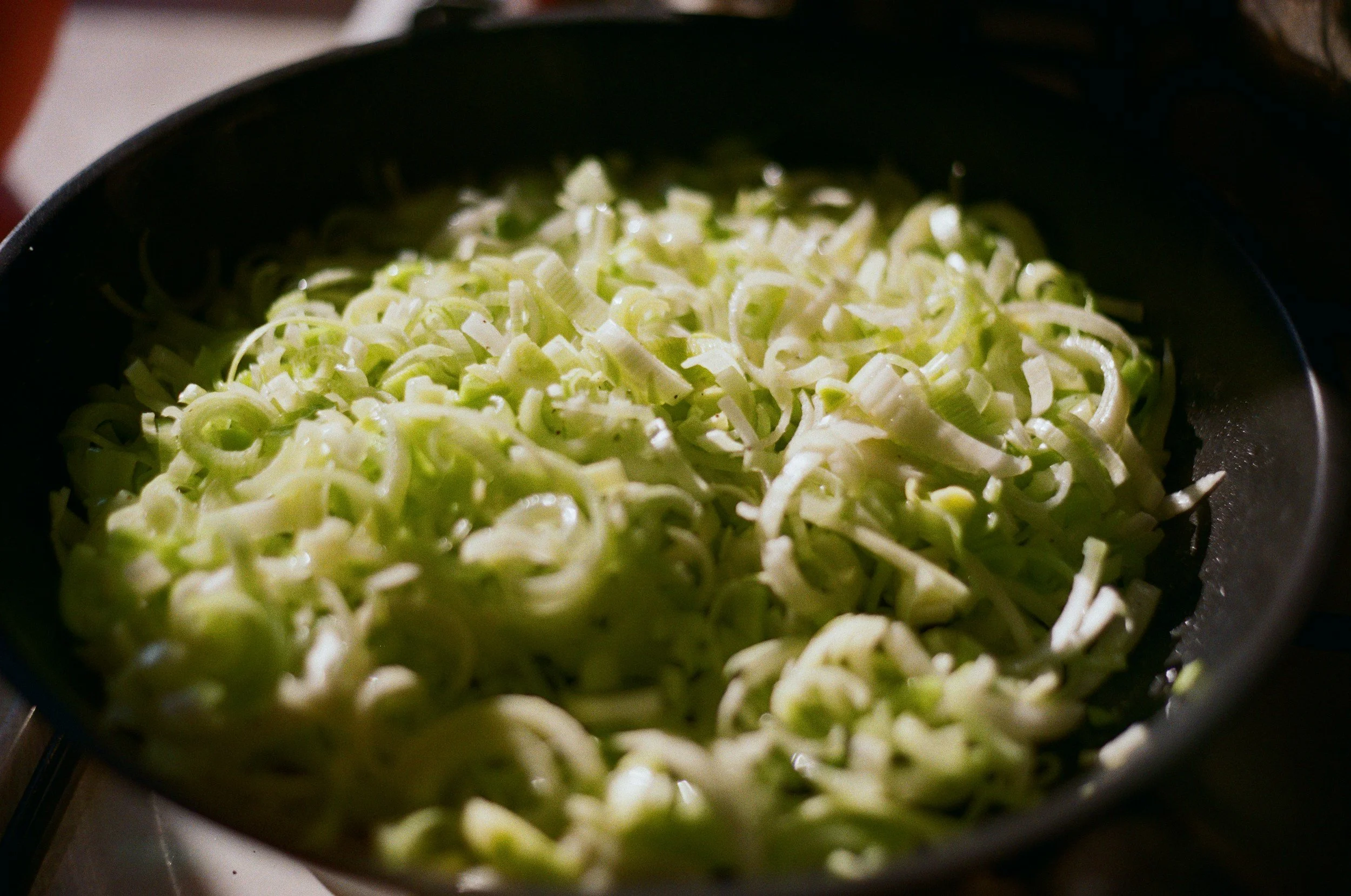
If you've scrolled the news this summer, you've probably seen it: a fast-moving outbreak of cyclosporiasis — a parasitic infection linked to contaminated produce — has sickened thousands of people across dozens of U.S. states. Health officials have traced a major cluster to shredded lettuce, prompting a nationwide recall, and cases have continued to climb through July.
It's easy to assume parasites are a "somewhere else" problem — something travelers pick up abroad, not something that shows up in a salad from the grocery store. This outbreak is a good reminder that it's simply not true. Cyclospora is a microscopic parasite that spreads through food and water contaminated with fecal matter, and it doesn't take much exposure to cause real illness: watery diarrhea, cramping, bloating, fatigue, and appetite loss that can drag on for weeks without proper care.
Why This Hits Close to Home
The uncomfortable truth is that our modern food system creates plenty of opportunity for this kind of exposure. Pre-washed greens, cut fruit, and produce shipped long distances all pass through many hands before they reach your plate. Most of the time, your gut and immune system handle low-level exposure without issue. But a compromised gut — one already dealing with inflammation, poor microbial balance, or low stomach acid — has a much harder time defending itself.
That's the real lesson from an outbreak like this one: gut resilience isn't just about digestion or comfort. It's frontline protection against the parasites and pathogens we're exposed to more often than we realize.
Building Real Resilience — Not Just Reacting to Headlines
This is exactly why we're rolling out our Parasite Protocol this month. Rather than waiting for a scare in the news to prompt action, the protocol is built around consistent, proactive habits:
Daily parasite-fighting foods — powerhouses like papaya, garlic, pumpkin seeds, and pineapple that have long been used to support the body's natural defenses (see our Top 10 list in this month's other feature article)
Gut lining support — soothing, anti-inflammatory foods like aloe and coconut that help maintain a strong intestinal barrier
Simple daily habits — thoroughly washing produce, staying hydrated, and supporting digestion so your gut has the tools it needs to do its job
Our Tropical Bliss & Banish Smoothie — this month's featured recipe — is a perfect example: papaya and pineapple's natural enzymes paired with gut-soothing aloe and coconut, all in one easy, delicious daily ritual.
Tropical Bliss & Banish Smoothie
A tropical escape with a purpose — this creamy blend pairs papaya's parasite-fighting enzymes with anti-inflammatory pineapple, gut-soothing aloe, and rich coconut for a smoothie that tastes like vacation and works like medicine.
Ingredients (serves 1–2)
1 cup fresh papaya, cubed
1 cup pineapple, cubed
1/2 cup coconut milk (or coconut water for a lighter texture)
2 tbsp aloe vera juice or gel (inner leaf, food-grade)
1/2 cup ice
Optional: squeeze of lime, pinch of ginger for extra digestive support
Instructions
Add all ingredients to a blender.
Blend until smooth and creamy, about 30–45 seconds.
Pour and enjoy immediately for maximum enzyme activity.
Why it works:
Papaya contains papain, an enzyme traditionally used to help break down parasites and support digestion. Pineapple's bromelain works similarly, reducing inflammation in the gut lining. Aloe soothes and coats the digestive tract, while coconut adds gut-friendly medium-chain fatty acids.
The Takeaway
Outbreaks like this one will keep happening — that's simply the nature of a global food supply. But you don't have to wait for a headline to take your gut health seriously. Whether you're just adding a few parasite-fighting foods into your week or diving into the full Parasite Protocol with us this month, small consistent steps now build the resilience you need before the next scare hits the news.