
Your Feet Were Designed to Move: Why FootFlexibility Matters for Better Gait
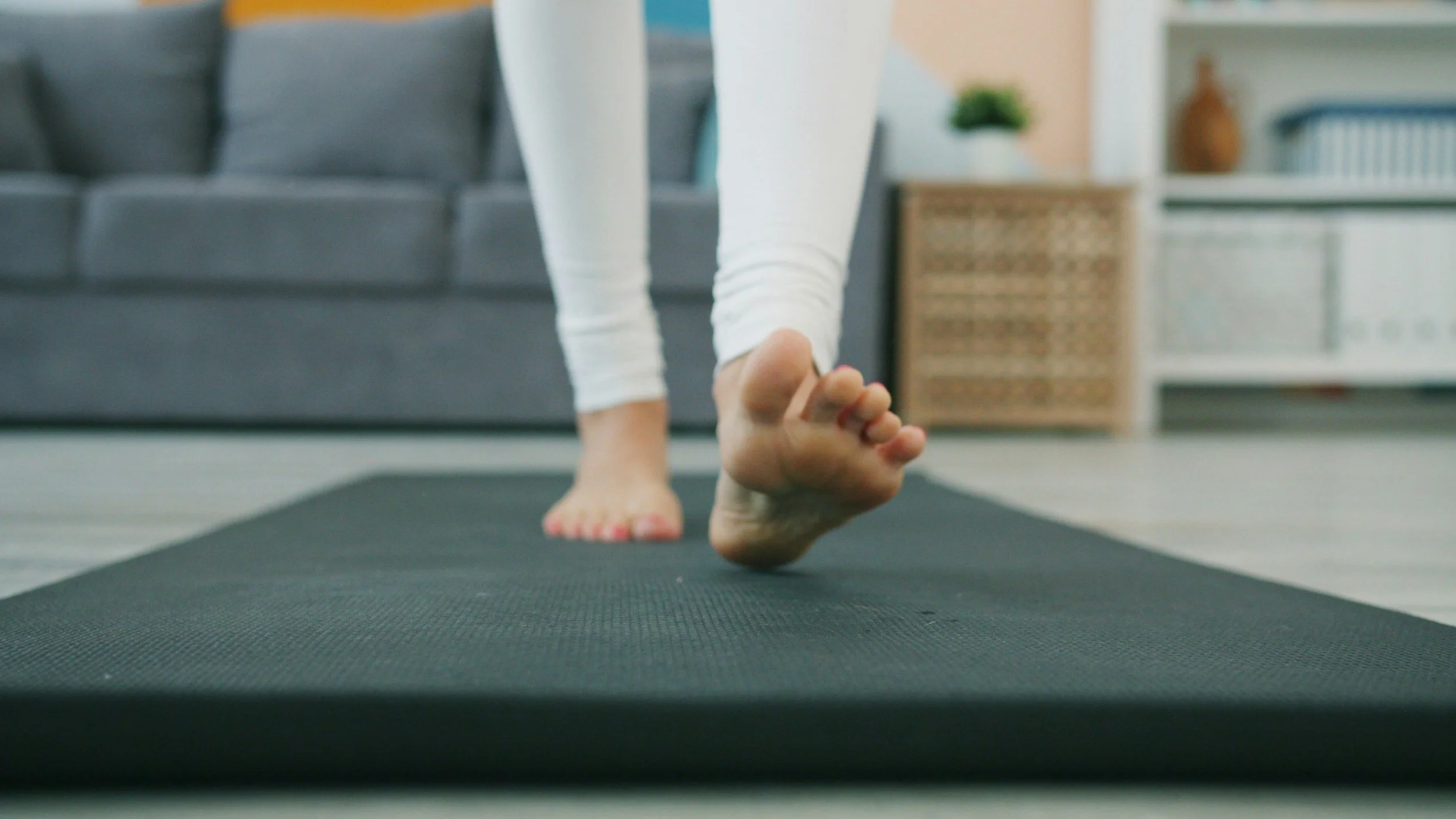
Most people don’t think about their feet until they hurt. But your feet are the foundation of every step you take. If they become stiff, weak, or restricted, the rest of your body has to compensate. Those compensations can show up as knee pain, hip tightness, low back discomfort, poor balance, or simply feeling like you don’t move as well as you used to. As a bodyworker and movement specialist, I often tell clients that I don’t just look at where the pain is—I look at how they move. And one of the first places I pay attention to is the foot.
What Is Gait?
Gait is simply the way you walk.
Every step requires an incredible amount of coordination between your feet, ankles, knees, hips, pelvis, spine, and even your arms. Walking is one of the most complex movements your body performs, and it happens thousands of times every day. A healthy gait should be smooth, efficient, and adaptable to different surfaces.
That all begins with the foot.
Your Foot Is Meant to Be Flexible
Each foot contains 26 bones, 33 joints, and over 100 muscles, tendons, and ligaments. That isn’t an accident. Your foot isn’t supposed to act like a rigid block. It’s designed to:
• Absorb shock when you land.
• Adapt to uneven terrain.
• Store and release energy.
• Create a stable platform for pushing off.
Think of your foot like the suspension system on a car. If the suspension is locked up, every bump gets transferred somewhere else.
The same thing happens in your body.
What Happens When the Foot Becomes
Stiff?
Modern life isn’t particularly kind to our feet.
Supportive shoes, long hours sitting, hard surfaces, previous injuries, and lack of barefoot movement all reduce the natural mobility of the foot. When the foot loses flexibility, your body often compensates by asking the ankle, knee, hip, or lower back to move more than they should.
Common signs include:
• Tight calves
• Limited ankle mobility
• Knee discomfort
• Hip pain
• Plantar fascia irritation
• Bunions or toe stiffness
• Poor balance
• Feeling unstable while walking
Sometimes the painful area isn’t the real problem—it’s simply where the body is absorbing the extra stress.
Don’t Forget Your Toes
Healthy toes should spread, bend, and grip the ground. Many shoes squeeze the toes together, reducing their ability to stabilize your body. Your big toe is especially important. During walking, it should extend as you push off. Limited movement here can change the mechanics of your entire stride and force the rest of your body to compensate.
Strength and Mobility Go Together
Flexibility without strength isn’t enough. A healthy foot should be both mobile and strong. Exercises such as toe spreading, short-foot activation, balance drills, calf raises, barefoot walking on safe surfaces, and ankle mobility work can help restore natural function. Sometimes soft tissue work and corrective exercises are needed to help the nervous system relearn efficient movement patterns.
The Whole Body Is Connected
When I evaluate movement, I’m not just looking at the feet. I’m looking at how the entire body communicates. A restriction in the foot can influence the knee. The knee can affect the hip. The hip can change the pelvis. The pelvis can alter spinal movement. Our bodies are one interconnected system, not isolated parts. That’s why improving foot mobility often creates improvements far beyond the foot itself.
Small Changes Create Big Results
You don’t have to wait until you’re in pain to take care of your feet.
Improving foot flexibility and strength can help you:
• Walk more efficiently
• Improve balance
• Reduce unnecessary joint stress
• Enhance athletic performance
• Increase confidence with movement
• Support healthy aging
Every journey begins with a single step. Make sure that step starts with healthy, mobile feet. Your foundation influences everything above it.