
Humanity's Oldest Ally: The Power of Fermented Foods & Lactic Acid Bacteria
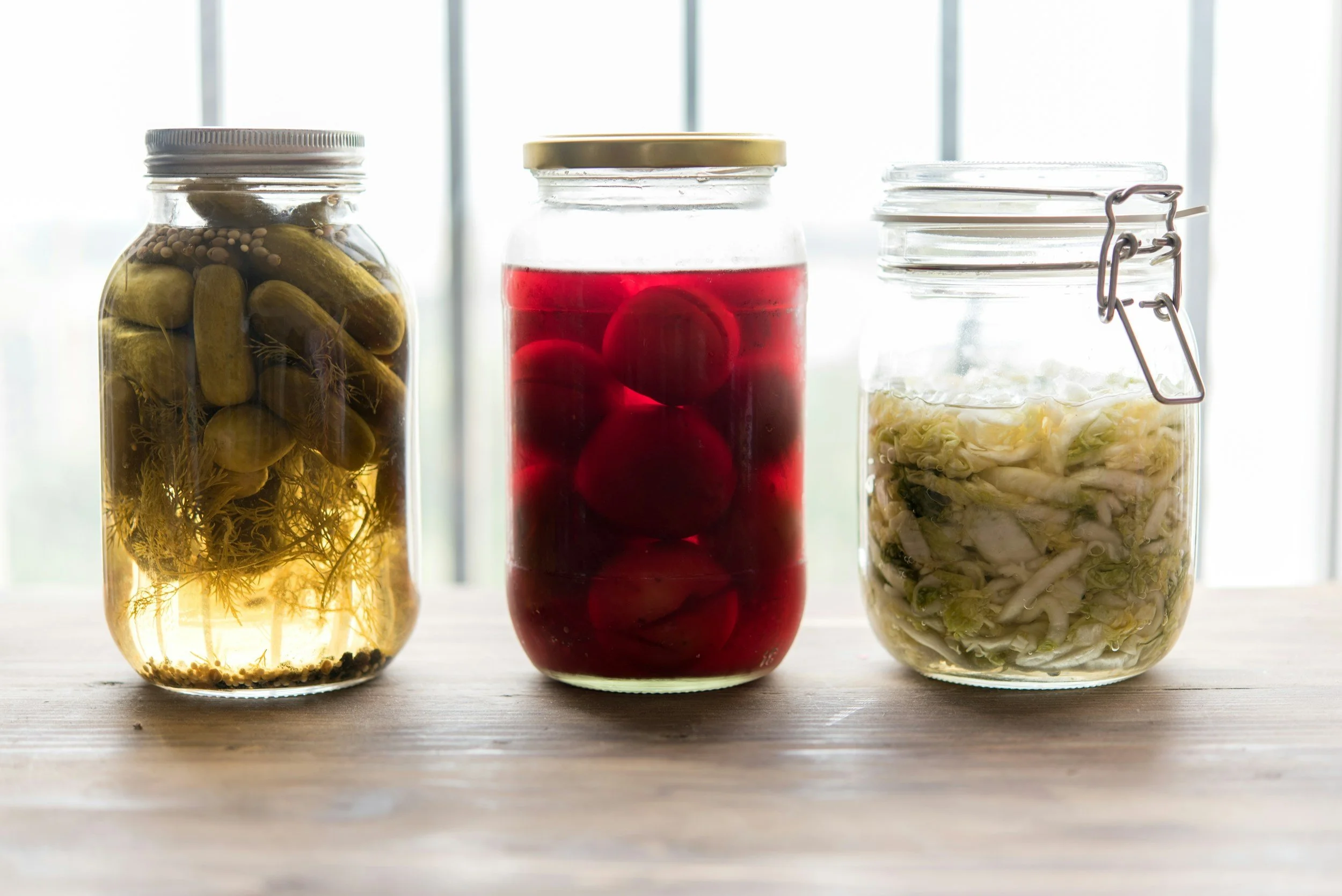
There is a quiet revolution happening in kitchens, research labs, and wellness communities around the world — and it tastes like kimchi, smells like sourdough, and fizzes gently like a good kombucha. Fermented foods are having a moment. But here is the thing: they have always been having a moment. For thousands of years, before refrigerators, before food science, before anyone had ever heard the word probiotic, human beings were fermenting their food. Not as a wellness trend. As a way of life.
At Health and Healing Studios, we believe that some of the most powerful medicine available to us is not new at all. Sometimes it is ancient, humble, and sitting quietly in a jar on your counter. This is the story of fermented foods — where they came from, what they do, and why just a tablespoon a day of the right ones could be one of the most therapeutic choices you make for your body.
The Oldest Domesticated Species on Earth
Long before humans domesticated cattle, horses, or crops, we were cultivating something far smaller and far more powerful — microorganisms. Some researchers and food historians have made a compelling case that fermentation cultures are, in fact, humanity's oldest domesticated species. Think about that for a moment. The same sourdough starter cultures being passed down through families today share a lineage with the leavened breads of ancient Egypt, medieval European maslin breads, and sourdough starters kept close to the body by trappers, miners, and other fronters men during the Western expansion. Researchers have even been able to cultivate the cold resistant strains found in the einkorn bread that Otzi the Iceman ate as part of his last meal and were able to bake with it. The lacto-fermented vegetables found in clay pots at archaeological sites across Asia and Europe tell us that our ancestors understood something profound: that living foods, tended with care, could nourish and protect the human body in ways that fresh foods alone could not.
Fermentation appears independently across virtually every human culture on earth. Kimchi in Korea. Miso and natto in Japan. Kvass and kefir in Eastern Europe. Injera in Ethiopia. Curtido in Central America. Cheese and wine across the Mediterranean. These are not coincidences. They are evidence of a deep, intuitive human relationship with the microbial world — one that modern science is only now beginning to fully understand and articulate.
What Fermentation Actually Is
At its core, fermentation is a metabolic process in which microorganisms — bacteria, yeasts, or fungi — convert sugars and starches into acids, gases, or alcohol. This transformation does several remarkable things at once. It preserves food, extending its shelf life without refrigeration. It breaks down compounds that can be difficult to digest, making nutrients more bioavailable. And it populates the food with living microorganisms that, when consumed, interact with and support our own internal ecosystem.
The key players in the fermentation world fall into a few important categories:
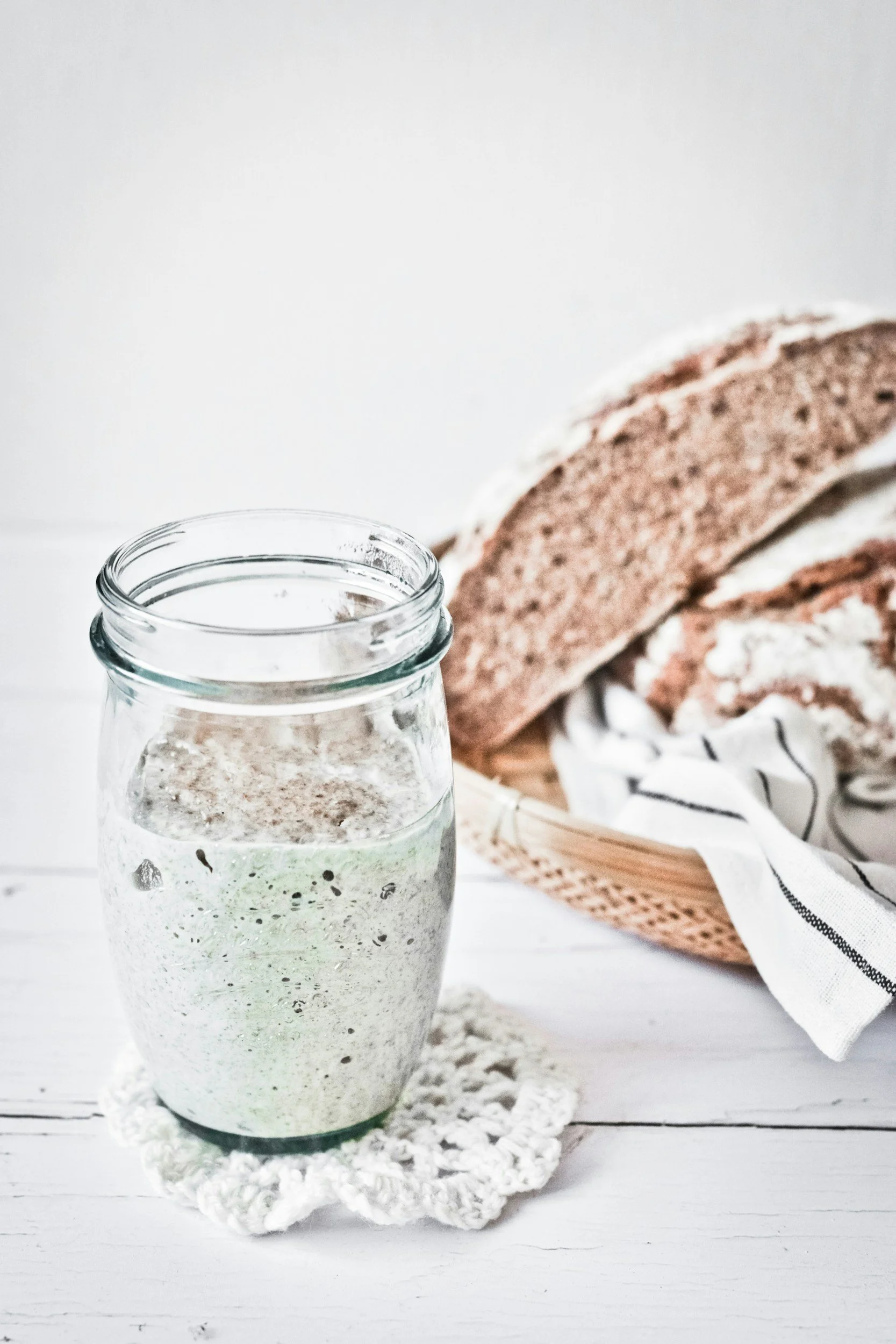
Yeasts are perhaps the most familiar — responsible for the rise in bread, the fermentation of beer and wine, and the fizz in kombucha. Saccharomyces cerevisiae is the most well-known strain, but the world of wild yeasts is vast and varied.
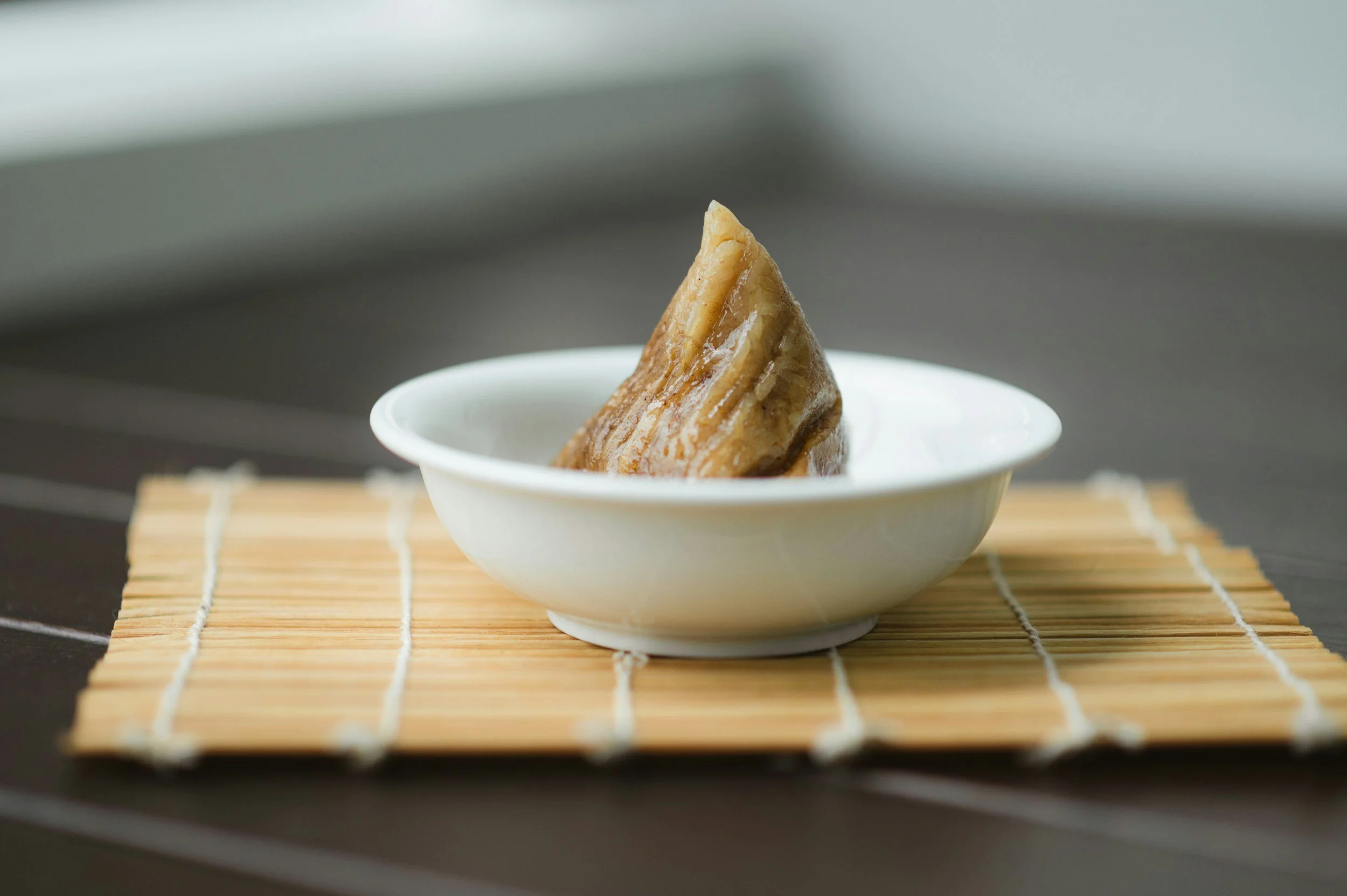
Koji — Aspergillus oryzae — is a mold that has been central to Japanese and East Asian fermentation for over a thousand years. It is the foundation of miso, sake, soy sauce, and amazake, and it works by producing enzymes that break down proteins and starches into deeply complex, umami-rich flavors. Koji is having its own renaissance in the culinary world right now, and for good reason.
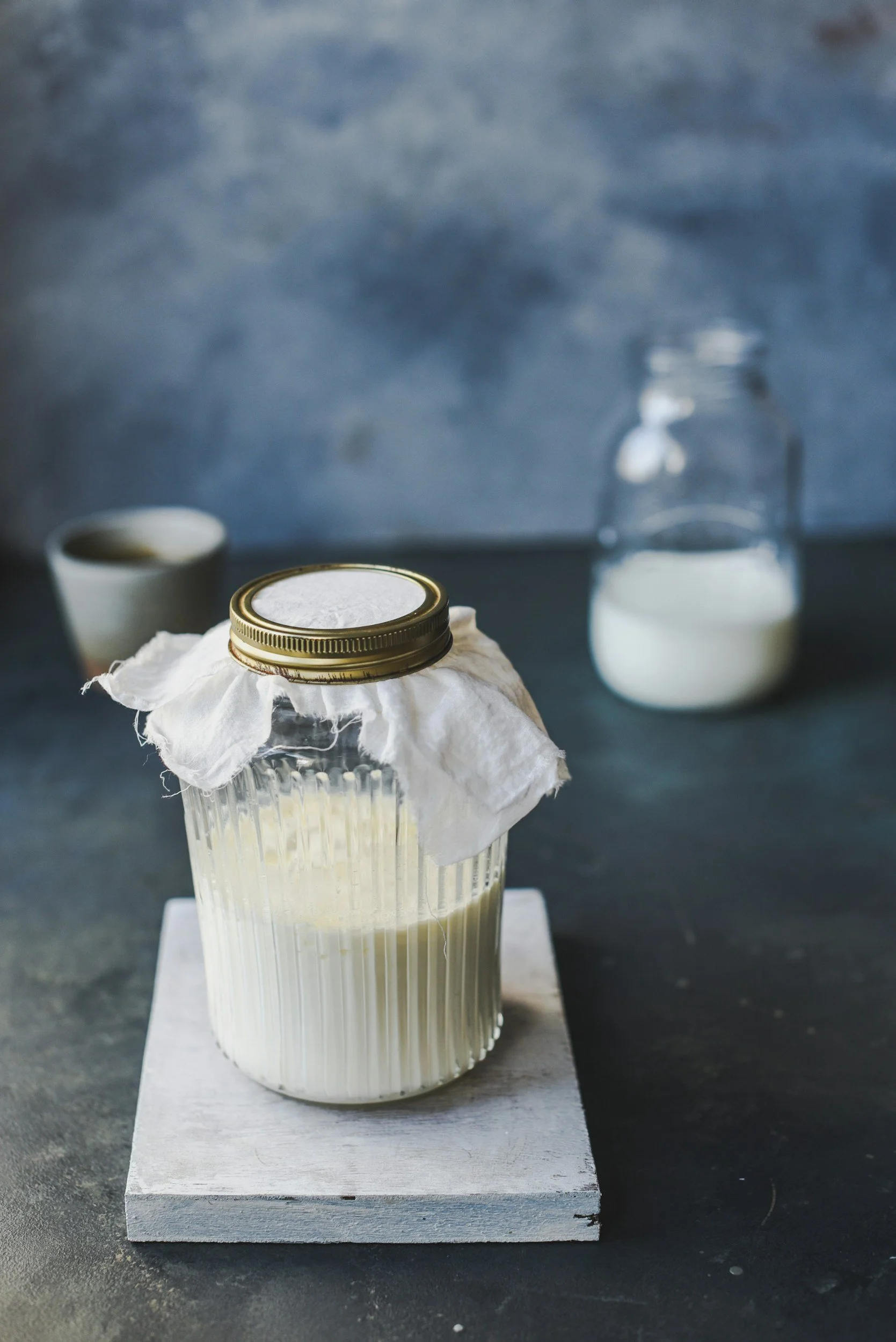
Lactic Acid Bacteria (LABs) are the quiet heroes of the fermentation world and the focus of some of the most exciting research in gut health today. Found naturally on the surface of vegetables, in raw dairy, and in the environment around us, LABs are the microorganisms responsible for some of our most beloved fermented foods — and some of the most profound benefits to the human gut.
The LABs: Why Lactic Acid Bacteria Deserve the Spotlight
When we talk about the therapeutic power of fermented foods, we are largely talking about LABs. This family of bacteria — which includes the Lactobacillus, Leuconostoc, Pediococcus, and Streptococcus thermophilus genera among others — transforms food through lactic acid fermentation. As they consume sugars, they produce lactic acid, which lowers the pH of the food, creating that characteristic tang we associate with sauerkraut, kimchi, yogurt, and sourdough. That acidic environment is inhospitable to harmful bacteria, which is why lacto-fermented foods are so naturally shelf-stable.
But the benefits of LABs go far beyond preservation. Research into the gut microbiome — the vast community of microorganisms living in the human digestive tract — has consistently pointed to LABs as some of the most beneficial residents we can cultivate. They support the integrity of the gut lining, produce short-chain fatty acids that feed the cells of the colon, synthesize certain B vitamins and vitamin K, crowd out pathogenic bacteria, and communicate with the immune system in ways that influence inflammation throughout the entire body. The gut, after all, houses approximately 70 percent of the human immune system. What lives there matters enormously.
LABs have also been studied for their role in mental health — a field now known as the gut-brain axis. The vagus nerve, which runs directly from the gut to the brain, carries signals in both directions, meaning the state of your gut microbiome has a direct line to your mood, stress response, and cognitive function. Emerging research suggests that certain LAB strains may support the production of neurotransmitters including serotonin, a significant portion of which is produced in the gut rather than the brain.
Diversity Is the Goal — And a Little Goes a Long Way
Here is where the practical magic comes in. One of the most important things we now understand about the gut microbiome is that diversity is everything. A microbiome rich in a wide variety of bacterial strains is a resilient, well-functioning microbiome. A narrow, depleted one is associated with a long list of chronic conditions including IBS, autoimmune disorders, anxiety, obesity, and metabolic disease.
The good news is that you do not need to overhaul your entire diet to start building diversity. Research has shown that consuming a small amount — as little as one tablespoon — of a variety of different fermented foods daily can have genuinely therapeutic effects on the gut microbiome. The key word is variety. Rotating through different fermented foods means you are introducing different strains of LABs and other beneficial microorganisms, building the kind of diverse microbial community that supports long-term health.
Think of it less like taking a supplement and more like tending a garden. A little bit of many different things, consistently over time, produces a far richer result than a large amount of one thing.
Raw Is Everything: Why Heat Is the Enemy of Living Cultures
This is perhaps the most important practical point in this entire blog, and it is one that gets overlooked far too often: to receive the full benefit of fermented foods, the cultures must be alive — and heat kills them.
When fermented foods are pasteurized, canned, or cooked at high temperatures, the living bacteria that make them therapeutic are destroyed. What remains may still have some nutritional value, but the probiotic benefit is gone. This is why the sauerkraut sitting in a can on a grocery store shelf is not the same thing as a raw, traditionally lacto-fermented sauerkraut stored in the refrigerated section. It is why the kimchi in most restaurant kitchens, once it hits a hot pan, loses its living culture content. It is why yogurt that has been heat-treated after fermentation offers far less than a raw, traditionally cultured yogurt.
When shopping for or making fermented foods to support gut health, look for:
Raw and unpasteurized on the label
Refrigerated rather than shelf-stable packaging
Simple ingredients — salt, vegetables, water, cultures — without added vinegar, which shortcuts the fermentation process and does not produce the same living culture content
Visible signs of life — a slight fizz when you open the jar is a very good sign
Better yet, make your own. Lacto-fermentation at home is one of the most accessible and rewarding things you can do in your kitchen, and it gives you complete control over the quality and diversity of what you are consuming.
Foods to Rotate for Maximum LAB Diversity
Here are some of the best raw, LAB-rich fermented foods to weave into your daily routine — and some simple ways to use them:
Raw Sauerkraut
The simplest and most accessible lacto-fermented food. A tablespoon alongside any meal supports digestion and adds a bright, tangy note. Try it on eggs in the morning, alongside grilled proteins, or stirred into a grain bowl.
Kimchi
A more complex ferment that introduces a broader range of LAB strains alongside beneficial compounds from garlic, ginger, and chili. Eat it cold straight from the jar, add it to rice or noodle dishes off the heat, or blend it into a dressing.
Raw Cultured Yogurt or Kefir
Among the most LAB-dense foods available, particularly if made from raw milk or coconut. Kefir in particular contains a wider variety of strains than most commercial yogurts. Use as a base for smoothies, dressings, or simply enjoy with fresh fruit and a drizzle of raw honey.
Miso
Technically a koji ferment, but LABs also play a role in traditional long-aged miso. Stir a spoonful into warm — not boiling — water or broth to preserve the cultures. A simple miso broth in the morning is one of the most nourishing ways to start the day.
Kvass
A traditional Eastern European fermented beverage made from bread or beets, rich in LABs and deeply earthy in flavor. Beet kvass in particular is a powerful liver and gut tonic that deserves far more attention than it gets in Western wellness circles.
Water Kefir or Kombucha
Excellent options for those who prefer a drink over a food. Look for raw, low-sugar versions and rotate between them to vary the strains you are consuming.
Start Small, Stay Consistent
If you are new to fermented foods, start with just one tablespoon of one food per day and give your body a week or two to adjust before adding more. For some people — particularly those with a depleted or disrupted microbiome — introducing too much too quickly can cause temporary bloating or digestive discomfort as the existing microbial landscape begins to shift. This is normal and usually resolves quickly. Go slow, listen to your body, and build gradually.
The goal is not perfection. It is consistency. A small amount of raw, diverse, living fermented food every single day will do more for your gut health over time than any supplement protocol, any cleanse, or any dramatic dietary overhaul. This is ancient wisdom and modern science arriving at exactly the same place — and your body already knows it.
Ready to Go Deeper?
At Health and Healing Studios, nutrition is one of the cornerstones of everything we do. Our nutrition coaches bring real, lived experience to this work — navigating food sensitivities, managing health concerns through diet, and finding ways to make clean, nourishing eating genuinely enjoyable for real people with real lives. If you are ready to take a more intentional approach to your gut health and overall wellness, we would love to support you.
Your complimentary initial consultation is always free and always starts with a simple, honest conversation about where you are and where you want to be.
→ Book your free consultation at healthandhealingstudios.com
The best place to be — Health and Healing Studios, Mesa, Arizona